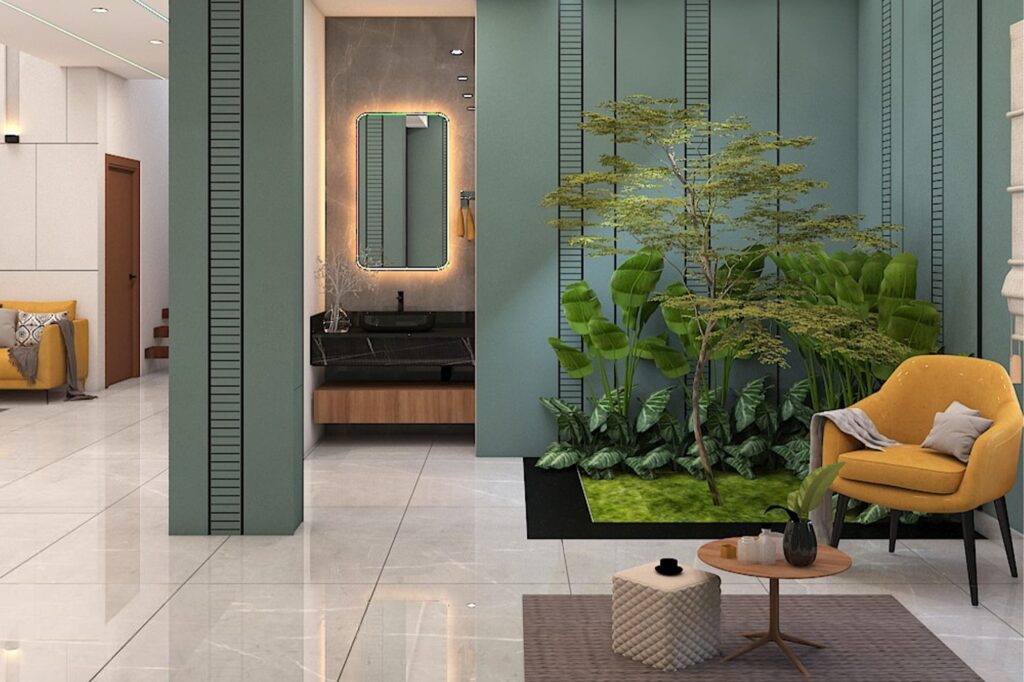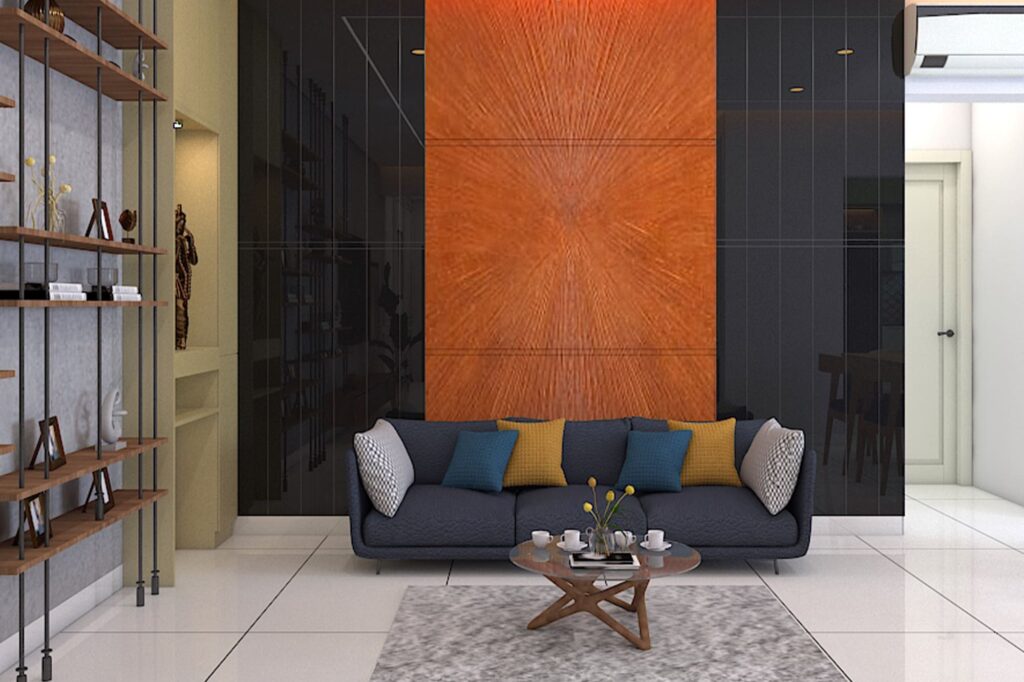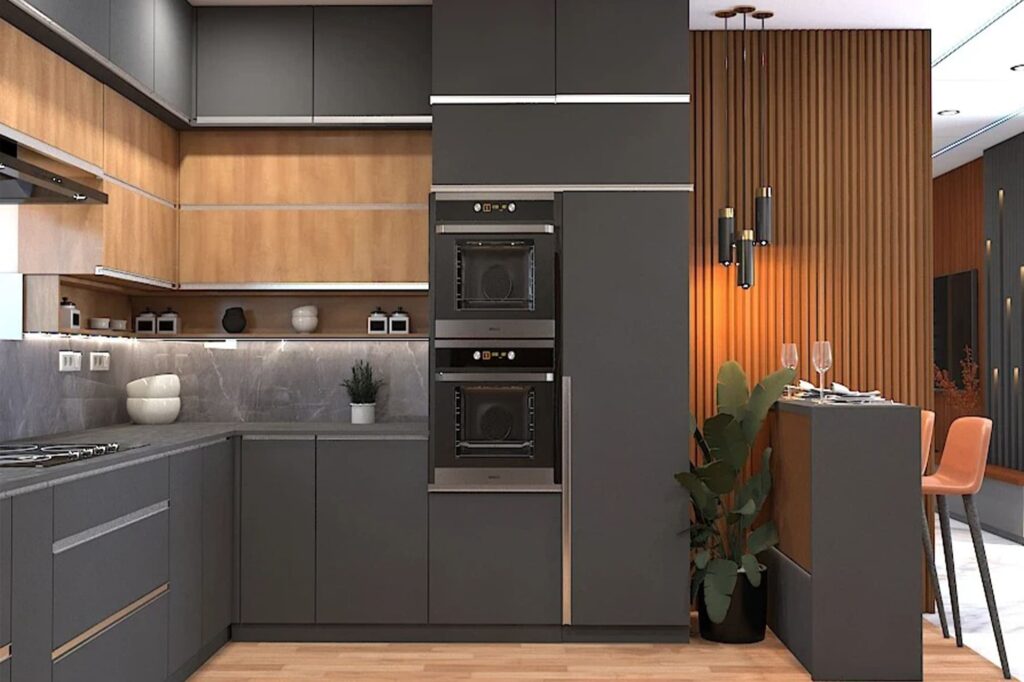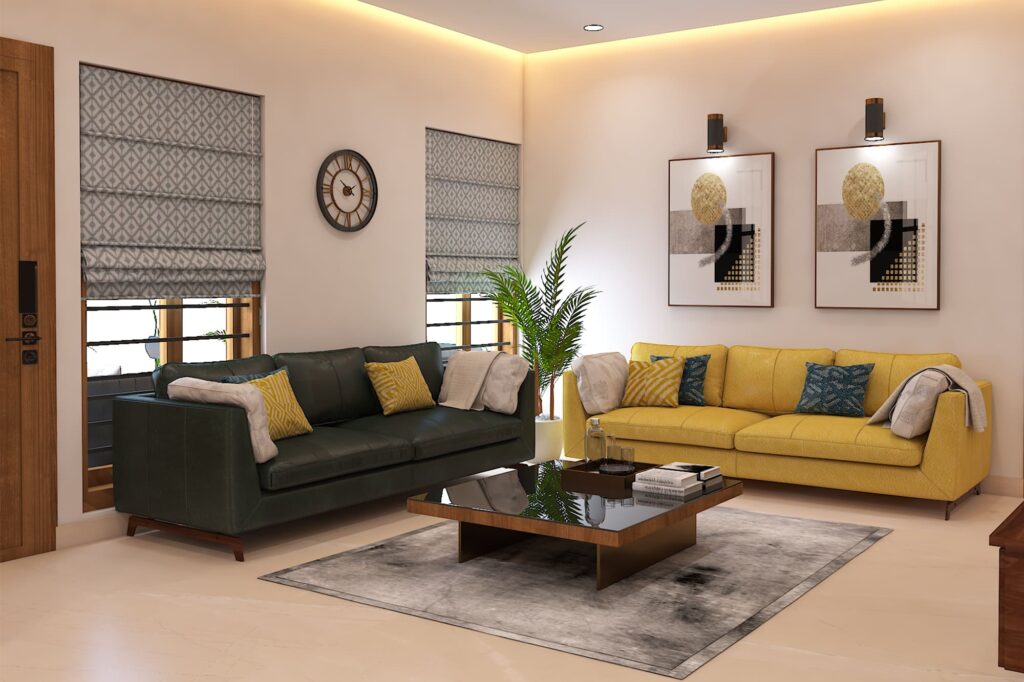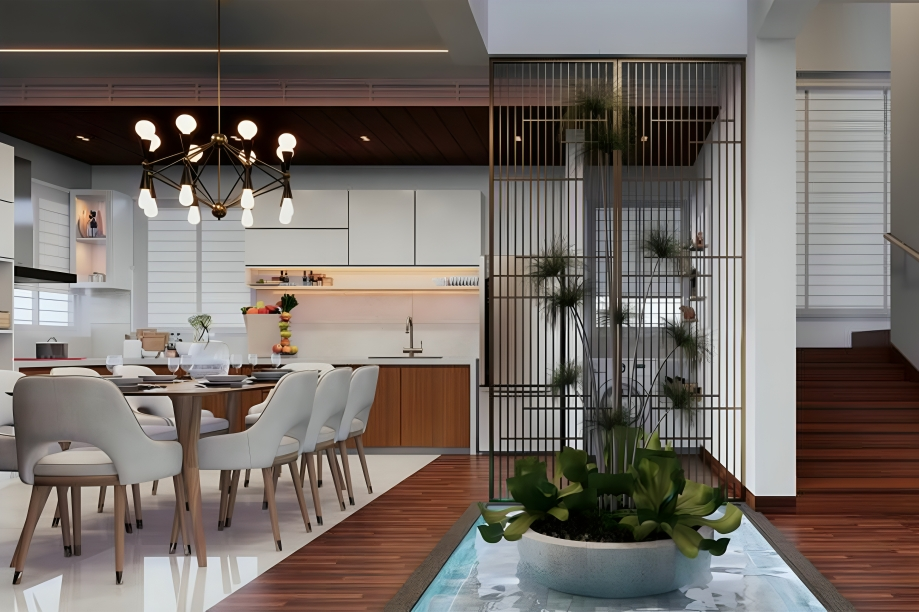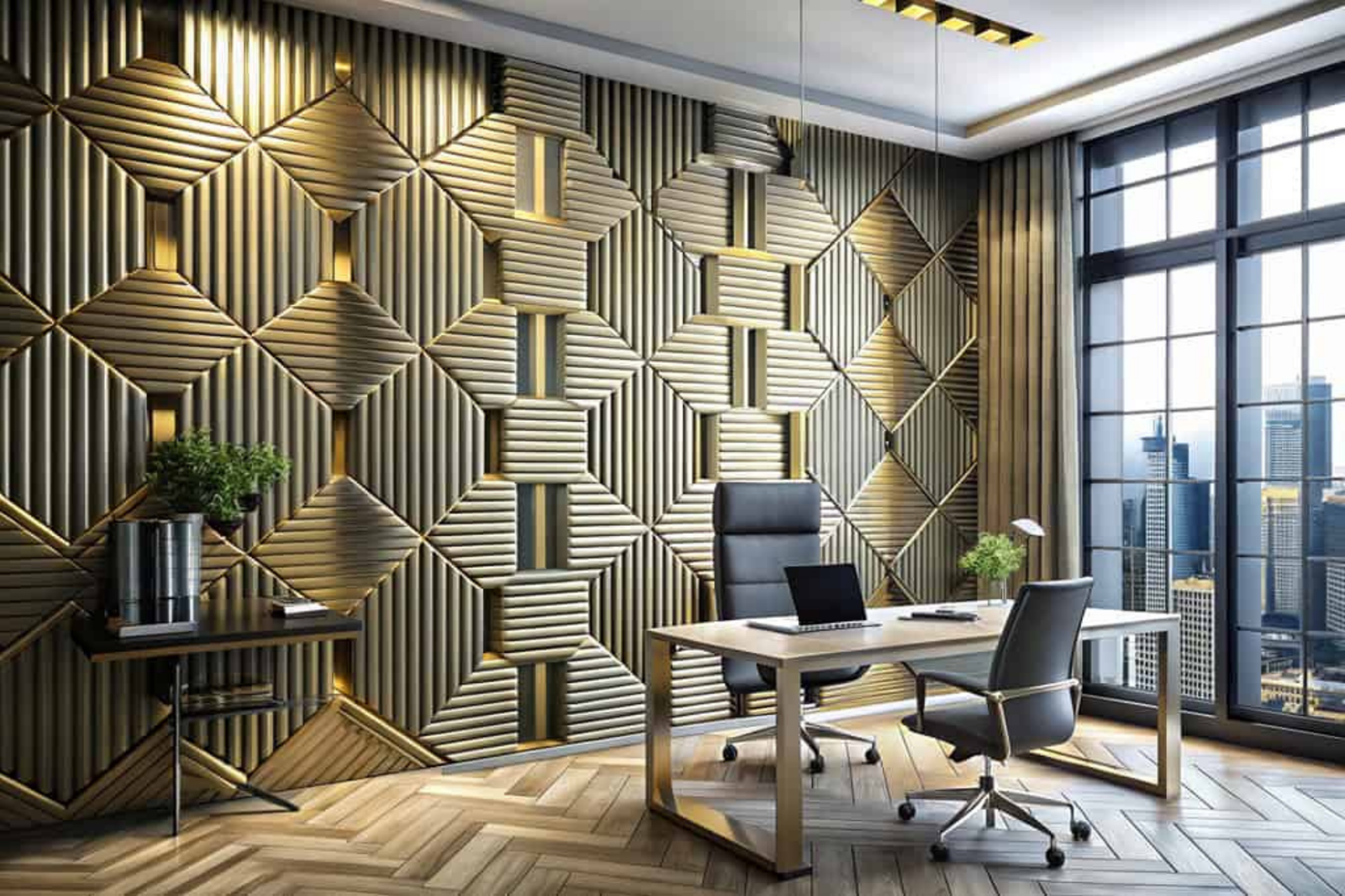
The best wall panelling designs are becoming more popular in modern interior design. Today, people focus on decorating their bare walls in different aesthetic ways. They often choose between wall paints, wallpapers, and wall panels. However, wall panels can provide a premium look for home interiors and add more character to plain walls.
By using wall panels, homeowners can transform a simple wall into a statement piece. In addition, the right wall panel can make a space stand out and create a photo-centric area within the room. Therefore, many homeowners now choose wall panels to add style and personality to their interiors.
At White Paper Interiors, a leading interior design firm in Trivandrum, we focus on providing stylish, high-quality wall panel solutions along with customizable ideas for our customers. Let’s learn more about the best wall panelling designs and how they can enhance your interiors.
What is wall panelling?
Wall panelling means decorating a wall with aesthetic materials that stick firmly to the surface. Materials such as veneer, wood, and plywood play an important role in wall panelling and help create a stylish finish.
These wall panels can be used in living rooms, bedrooms, and other spaces to create a focal point. Instead of leaving a bare wall that may make the room feel empty, wall panelling can add character and visual interest. Moreover, the right wall panel can make an unused wall more functional while maintaining a minimal and attractive look.
How to Install Wall Panels
White Paper Interiors believes that if you want to complete your interior work without complications, you should consult a professional team. In some cases, people try to install wall panels themselves, but without proper guidance, the process can become complicated. For example, some people purchase wall panels from online shopping apps and install them without understanding the correct installation method.
However, lightweight wall panels may be suitable for a DIY installation when the manufacturer recommends it. On the other hand, heavy wall panels require professional support to ensure proper fixing, alignment, and safety.
Step 1: Clean the Wall
First, clean the wall properly and remove dust, dirt, or other particles. Then, sand the surface to create a smooth and suitable base for installation.
Step 2: Prepare the Panel
Next, carefully peel the protective cover from the adhesive side of the panel. Avoid touching or contaminating the adhesive surface.
Step 3: Install the Panel
Finally, place the panel carefully on the wall and adjust its position to maintain the required spacing and alignment. Press it firmly against the wall to ensure proper adhesion.
Warning: Before installing wall panels, consult a professional and get proper guidance about the suitable material, installation method, surface preparation, and safety requirements.
Material used for the wall panels
There are many materials used for wall panels, and each material offers its own features, appearance, and style. Some common options include wood, PVC, veneer, MDF, and wainscoting.
Moreover, each material can create a different look and feel based on the interior style. Therefore, customers can choose a suitable material according to their preferences, requirements, and budget. At White Paper Interiors, we consider these factors carefully and then make the right decision about the material for each project.
1) Wood Panels
Wood panels add a traditional and warm accent to interiors. You can use them in different areas of your home, including the living room, bedroom, and veranda. Moreover, they work well with different interior styles and help create a natural and elegant appearance.
2) Wainscoting
Wainscoting usually consists of panels or boards that cover the bottom half of a wall. It mainly protects the lower part of the wall from footprints, marks, and everyday wear. Moreover, it works well in kids’ bedrooms because it adds an extra layer of protection while maintaining a neat appearance. This contemporary wall treatment also adds style and character to the room.
3) Veneer Wall Panels
Veneer is another material used for wall panels. It gives the wall a natural, real-wood appearance while manufacturers create the panel using a plywood base. Moreover, veneer wall panels offer a warm and elegant finish that can enhance the overall look of an interior.
4) MDF Wall Panels
MDF, or medium-density fiberboard, is a popular material for interior wall panelling. It can create a wooden accent and give walls a clean, stylish appearance at a more budget-friendly cost. Moreover, MDF works well with different designs and finishes, making it a practical choice for interior wall panels.
5) PVC Wall Panels
PVC is a practical alternative to stone and mineral wall panel designs. It offers good durability and requires less maintenance compared with many other wall panel materials. Moreover, PVC panels provide a versatile option for creating attractive wall designs while keeping maintenance simple.
Conclusion
In this blog, White Paper Interiors gives you an insight into what wall panelling is, how to install it, and what materials we use for wall panels. We have shared only five materials in this blog; however, other materials such as glass, metal, and fiber also work well for wall panels.
Moreover, we will discuss different wall panel styles in our upcoming blogs. So, stay tuned to learn more about wall panelling and discover the best wall panelling designs for your space.
The best wall panelling design journey will continue. Stay connected with White Paper Interiors and contact us to bring your dream home interior design to life.