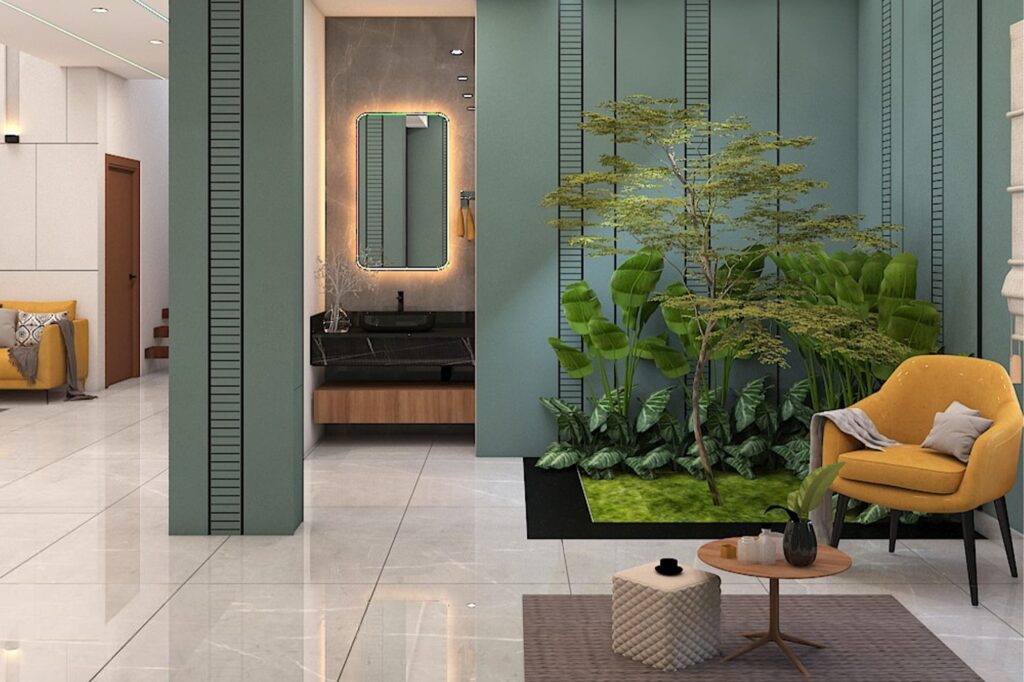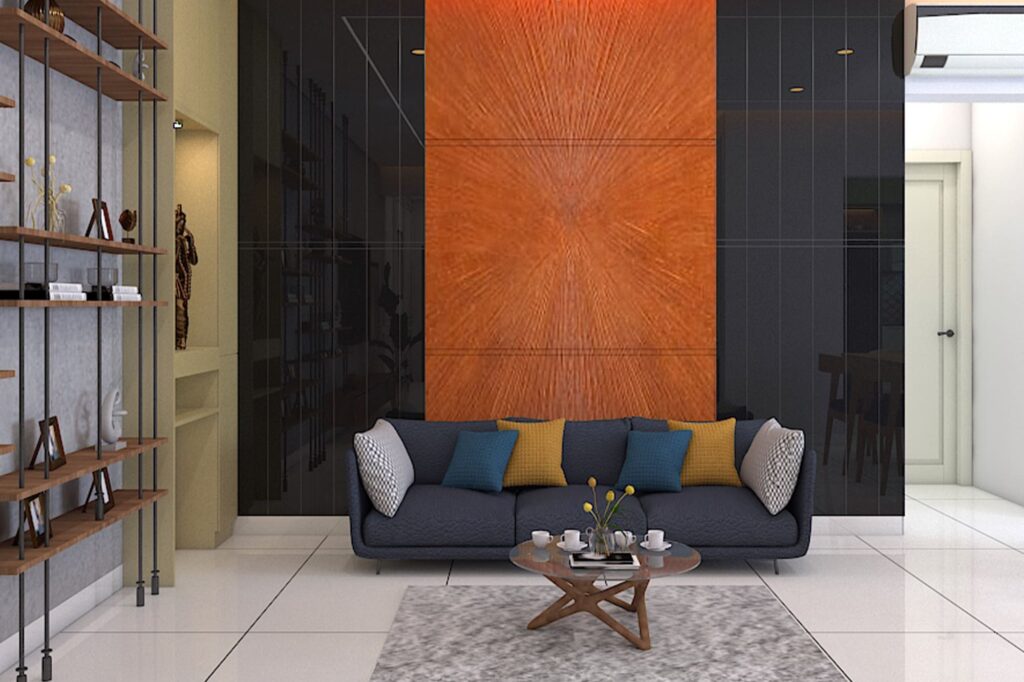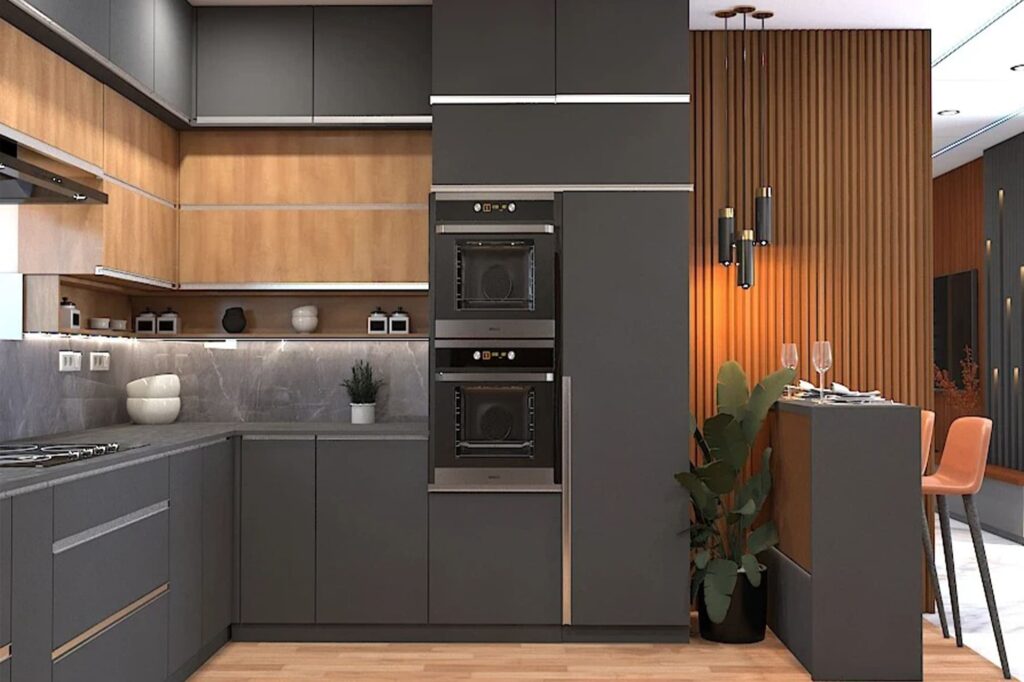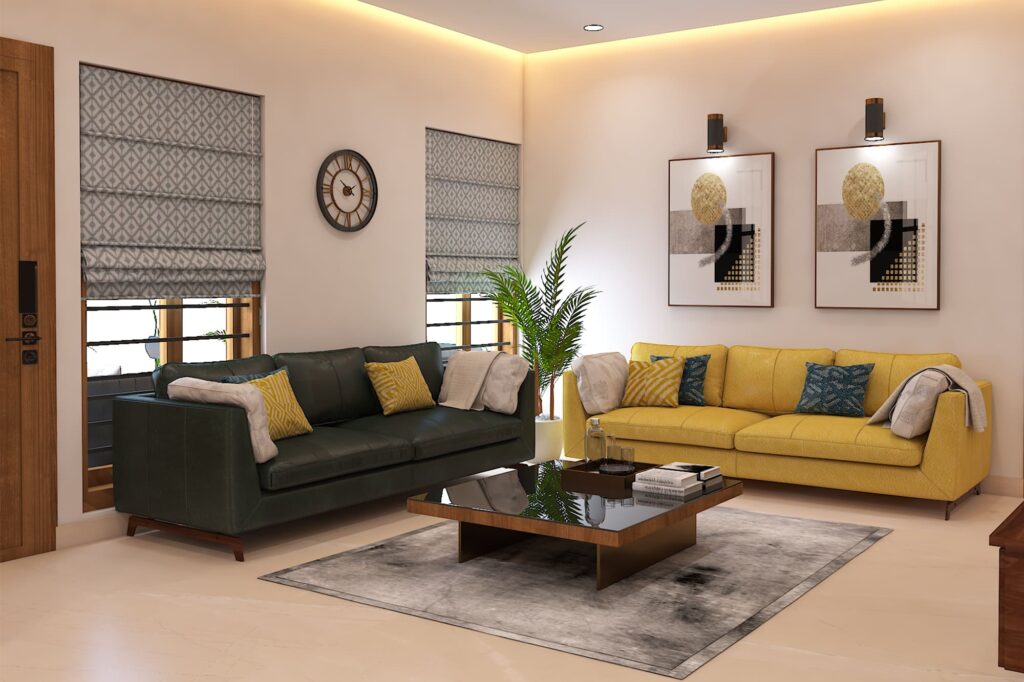
The texture paint ideas can add character, depth, and a designer touch without completely changing the space. Have you ever walked into a room and felt that something was missing, even though the furniture and colors looked right? Sometimes, the answer is the walls.
From subtle finishes that create a calm atmosphere to bold textures that become the center of attention, textured walls give you plenty of ways to personalize your interiors. Moreover, the right finish can work with your furniture, lighting, and overall design style.
In this guide, let’s explore what texture painting means, popular wall finishes, and room-specific ideas to help you choose a style that suits your home.
What Is Texture Painting?
Texture painting is a decorative wall treatment that creates a visible or slightly raised surface instead of leaving the wall completely flat. Interior designers use different materials, tools, and application techniques to create patterns, layers, movement, or depth.
Unlike ordinary wall painting, textured finishes interact with light and create a more dimensional appearance. As a result, even a simple wall can become an important part of the interior design.
Texture painting can be used to:
- Add depth to plain walls
- Create a focal point
- Introduce visual character
- Complement furniture and décor
- Give interiors a more customized appearance
Therefore, texture paint ideas are not simply about making a wall look different. It is about creating a finish that supports the mood and personality of the space.
Popular Wall Texture Styles
Different texture techniques create different visual effects. So, consider your interior style before selecting a finish.
1. Concrete-Inspired Finish
A concrete-effect wall gives interiors a contemporary and slightly industrial character. Its raw appearance works particularly well with minimal furniture, wooden elements, black accents, and modern lighting.
It can also add depth without making the room feel overly decorative.
2. Sand Finish
A sand-textured surface creates a soft, grainy appearance. This finish works well when you want something more interesting than a plain painted wall but still prefer a subtle look.
Additionally, neutral shades can make this finish suitable for bedrooms, living areas, and workspaces.
3. Metallic Wall Finish
Metallic textures introduce a gentle reflective effect to the wall. When light falls across the surface, it creates subtle highlights that can make an accent wall stand out.
However, it is better to use metallic finishes selectively rather than covering every wall.
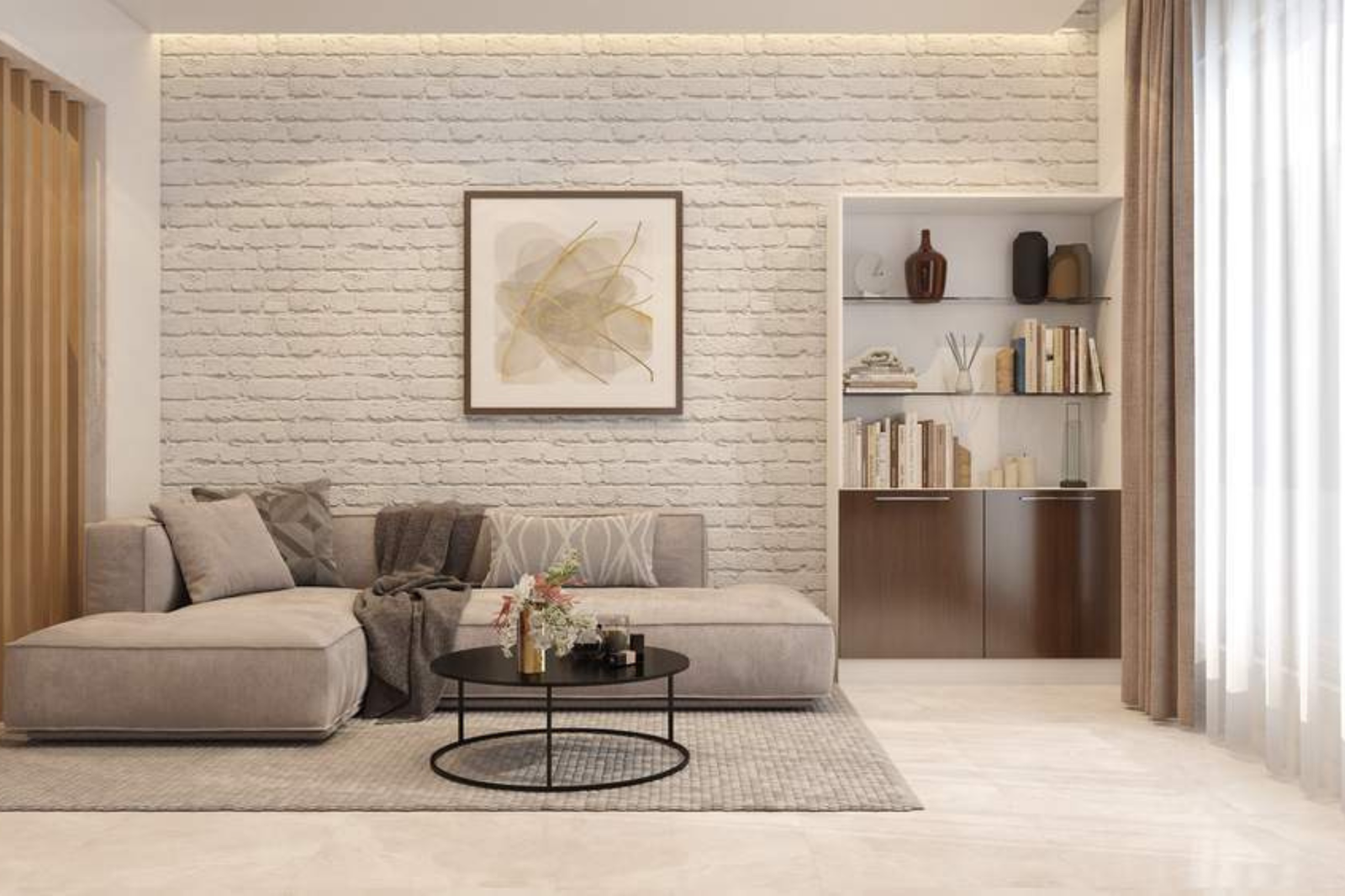
4. Stone-Look Texture
Stone-inspired textures bring a natural character indoors. They can work beautifully with earthy colors, wooden furniture, indoor plants, and warm lighting.
This style is especially useful when you want your interiors to feel connected to natural materials.
5. Patterned Texture
Patterned finishes allow you to create movement and visual interest through repeated shapes or handcrafted designs. Depending on the pattern, the wall can look modern, artistic, or traditional.
For this reason, patterned textures are particularly effective on feature walls.
Room-Wise Texture Ideas
The same texture does not necessarily work equally well in every room. Instead, choose the finish according to the room’s function, lighting, size, and existing décor.
1. Living Room Wall Finishes
The living room offers the most freedom to experiment. A textured feature wall behind the television, sofa, or display unit can become a strong visual element.
For a sophisticated look, consider stone-inspired or concrete-style finishes. Alternatively, a subtle layered texture can create interest without overpowering the furniture.
2. Bedroom Wall Finishes
Bedrooms generally benefit from softer and calmer textures. Choose muted colors and understated patterns to maintain a relaxing atmosphere.
A lightly textured wall behind the bed can act as a natural backdrop. Furthermore, warm lighting can highlight the surface and create a cozy evening ambience.
3. Dining Area Wall Textures
The dining area can handle slightly stronger decorative finishes. A textured wall behind the dining table can define the space and make it feel more intentional.
Earthy textures, soft metallic effects, or elegant linear patterns can work well depending on the interior theme.
4. Kitchen Wall Texture Ideas
Kitchens require practical finishes because walls can be exposed to moisture, stains, and frequent cleaning. Therefore, texture selection should consider durability and maintenance along with appearance.
For areas away from direct cooking splashes, subtle decorative textures can add warmth and visual interest.
3. Bathroom Wall Finishes
Bathrooms need finishes that suit humid environments. Smooth, stone-inspired, or carefully selected moisture-resistant decorative surfaces can create a refined appearance.
For a spa-inspired feel, combine soft neutral shades with natural-looking textures and warm lighting.
4. Home Office Texture Designs
A home office should feel focused without looking dull. A restrained texture behind the work desk can add personality while maintaining a professional atmosphere.
Linear, concrete-inspired, or subtle sand finishes can complement modern office furniture particularly well.
Texture Paint and Interior Design
Texture works best when it connects with the rest of the room. For example, a natural stone effect can complement wooden furniture, while a concrete-inspired finish can strengthen a contemporary interior.
Similarly, a soft textured surface can balance rooms that already contain bold furniture or decorative pieces.
Lighting also plays an important role. Side lighting, pendant lights, and spotlights can create shadows across textured surfaces, making the finish appear more dimensional.
Therefore, always consider the wall, furniture, color, materials, and lighting together.
Why Textured Walls Are Popular
Textured walls continue to attract homeowners because they offer more than a basic color change. They can introduce depth and make an otherwise plain surface feel thoughtfully designed.
Moreover, texture allows homeowners to create a focal point without adding too many decorative objects.
Some key benefits include:
- Creates visual depth
- Adds personality to interiors
- Works with different design styles
- Can highlight selected walls
- Complements lighting effects
- Offers alternatives to completely plain walls
Final Thoughts
Texture paint ideas are not necessarily the most elaborate finish. It is the one that fits your room, complements your décor, works with your lighting, and reflects your personal style.
Whether you prefer a natural stone effect, a modern concrete appearance, a subtle grainy surface, or a decorative feature wall, thoughtful texture selection can completely change how an interior feels.
If you want a professionally planned interior where wall finishes work seamlessly with the overall design, White Paper Interiors can help you create spaces that are both visually appealing and functional. Get in touch with us to now more about our services